
Occupational Therapy
… if it matters to you, it matters to me.
— Unknown
FAQ
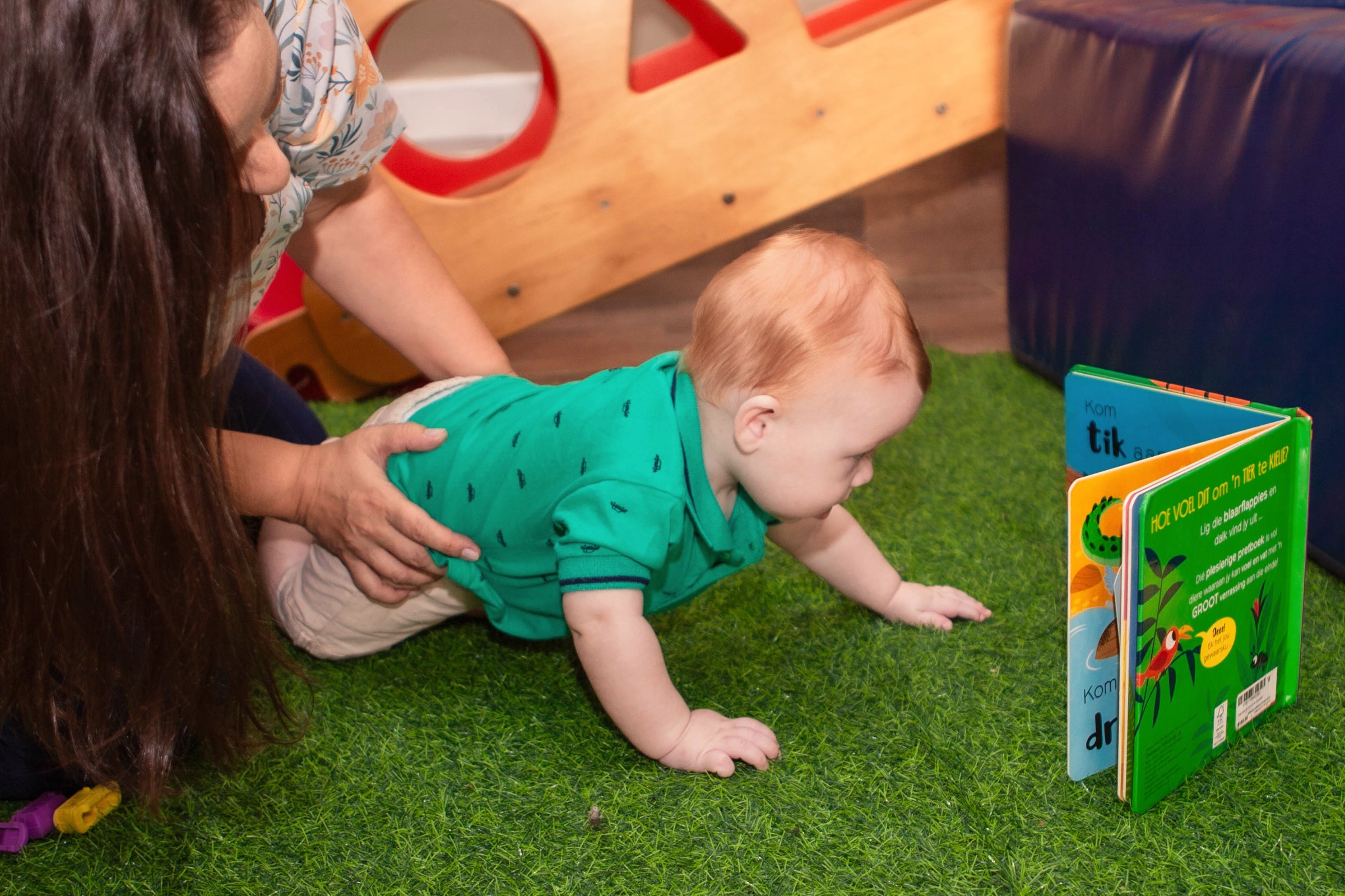
The building blocks of development are exactly what the phrase suggests – the blocks build on one another and become more complex as the child grows older. An early skill, for example crawling, forms part of the foundation for developing more complex bilateral skills later in the child’s life. If certain developmental milestones are not achieved, it can negatively affect the development of skills later on, or result in the child learning alternative ways of doing things that are not always effective.
Pediatric occupational therapy helps children develop the skills they need for everyday activities such as play, school tasks, self-care, motor skills, sensory processing, and emotional regulation. The focus is on enabling independence, confidence, and participation in daily life.
No, you do not need a referral to see an occupational therapist at our practice.
Coverage may vary based on:
- Your specific medical aid scheme
- Benefit limits
- Whether occupational therapy is classified under day-to-day or savings
- Diagnostic codes (ICD-10)
We can provide invoices suitable for claiming from your medical aid.
- Yes, school/home observations
- Teacher consultations
- Classroom accommodations or adaptations
Availability depends on location and scheduling.
Pediatric Occupational Therapy involves building skills over time, progressing from simpler skills to more complex ones—essentially constructing the building blocks of development needed for everyday activity participation. Practicing and mastering these skills takes time and does not happen “overnight”, as these skills are not only developed, but also consolidated to be applied in different environments such as at home and at school.
Yes, all occupational therapists must be registered with:
- HPCSA (Health Professions Council of South Africa)
- OTASA (Occupational Therapy Association of South Africa) – optional but encouraged
Our practice adheres to all professional and ethical guidelines.
Some services, such as consultations with parents, home programmes, and follow-up consultations, can be provided via secure online platforms, depending on the child’s needs and the family’s preference.
Common signs include:
- Delayed milestones
- Poor coordination or clumsiness
- Struggles with handwriting or school tasks
- Sensory sensitivities or seeking behaviours
- Difficulty with feeding
- Emotional meltdowns, anxiety, or trouble with transitions
- Difficulty with dressing, using cutlery, or other self-care tasks
If you’re unsure, we offer screenings to determine whether a full assessment is needed.
Our practice supports children with:
- Autism spectrum disorder (ASD)
- ADHD
- Sensory processing differences
- Developmental delays
- Learning difficulties
- Cerebral palsy and neurological conditions
- Fine and gross motor challenges
- Feeding difficulties
- Behavioural and self-regulation challenges
- Executive functioning skills
- Any other diagnoses (such as Cancer, Epilepsy, physical disabilities, etc.) that might influence functioning in daily life
We can:
- Screen for developmental concerns
- Provide functional assessments
- Refer to appropriate healthcare professionals (paediatrician, psychiatrist, psychologist, speech therapist) for diagnosis
Comfortable clothes that allow movements – shorts, leggings, and T-shirts are ideal.
Closed shoes or barefoot activities may be recommended.
This depends on your child’s needs, age, and level of independence.
- Some sessions involve parent coaching
- Others work best with the therapist and child only
Feedback is always shared regularly.
A 90-minute holistic assessment session of your child’s developmental areas with regards to play, motor skills, learning, sensory functioning, visual perception and behaviour through standardised and non-standardised assessments. It’s not necessary for parents to be present in the first session.
We prefer that parents do not attend the sessions, although initial attendance for a few minutes is allowed until the child is comfortable staying with the therapist alone for the duration of the session. Children often do not respond spontaneously in the presence of a parent, and it is important that the child’s spontaneous responses can be observed during assessment and therapy.
A full assessment may take:
- A 90-minute session for direct assessment
- 5 working days to complete the report
- A 60-minute feedback session to discuss results
Screenings or school assessments may be shorter.
Sessions are usually 45–60 minutes, depending on the child’s needs and the therapy plan.
Frequency depends on the assessment results and goals.
Common options include:
- Once a week
- Twice a week (for more intensive support)
Your occupational therapist will recommend what best suits your child.
Sensory Integration (SI) therapy helps children who struggle to process sensory information (movement, touch, sound, etc.).
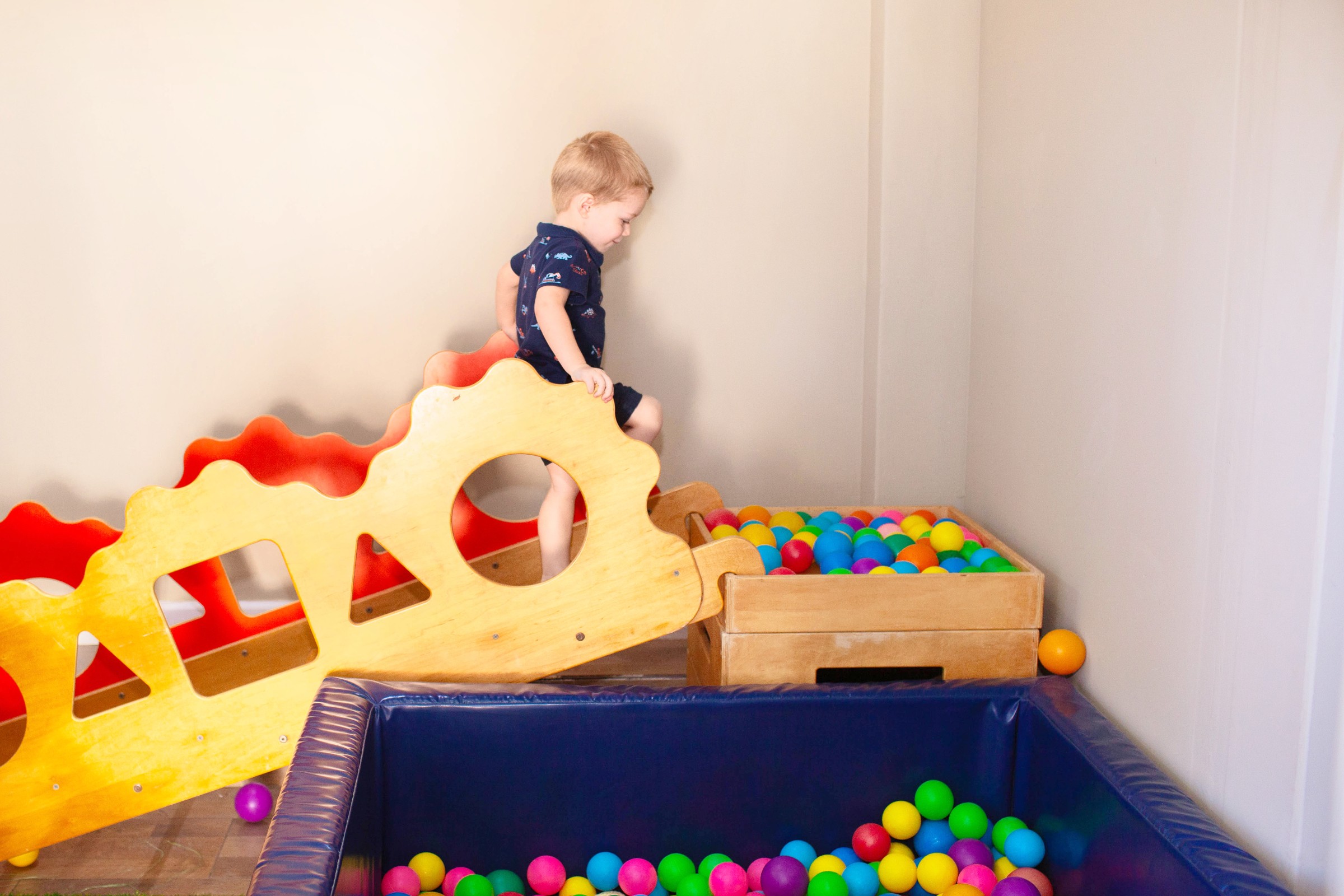
It may involve equipment like swings, climbing frames, tactile play, and movement-based activities to improve sensory regulation and functional skills.
Reports are available on request and may be needed for:
- School applications
- Support accommodations (IEPs, ILST meetings)
- Medical aid motivations
- Other healthcare providers
Report fees are usually separate from session fees.
Every child is unique. Therapy duration depends on:
- The child’s developmental profile
- Frequency of home stimulation activities
- Therapy goals
- Family routines
- Consistency of attendance
- Co-occurring conditions
Your occupational therapist will review progress regularly and adjust the plan as needed.
